Dress Code Standards and Support Tools for Event Security Guards
When it comes to professional event security, appearance and equipment are not just formalities — they are essential components of effective crowd management and safety assurance. Whether at a corporate conference, music festival, or private gala, event security guards must meet strict standards in both uniform and gear to ensure they can perform their duties efficiently and project authority.
1. Uniform Standards for Event Security Guards
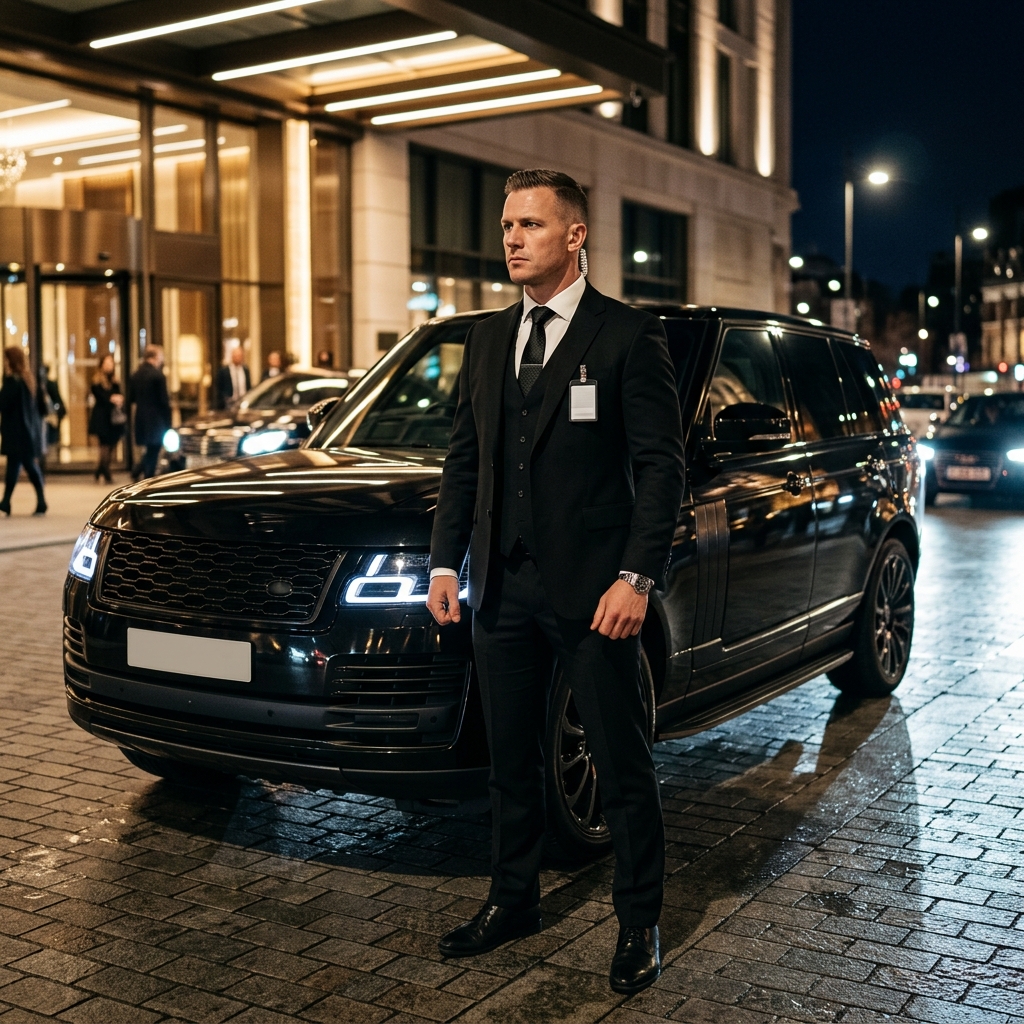
A well-defined dress code helps event security personnel stand out in a crowd, making them easily identifiable to both guests and potential threats. The following are the key uniform requirements typically observed by professional security teams:
- Official Uniform Shirt: A neatly pressed, branded polo or dress shirt — usually in black, navy blue, or a color designated by the event organizer — bearing the security company's logo and the guard's identification badge.
- Trousers: Dark-colored, formal trousers (typically black) that are clean, wrinkle-free, and allow freedom of movement.
- Footwear: Closed-toe, black leather or military-style boots that are polished and durable enough for long hours of standing or walking.
- Outerwear: High-visibility vests or tactical jackets may be required for outdoor events or night-time security operations.
- Identification: A visible ID badge or lanyard displaying the guard's name, photo, and security clearance level is mandatory at all times.
- Headgear: Caps or berets may be part of the uniform depending on the event type and weather conditions.
Consistency in appearance across the security team reinforces professionalism and helps command respect from event attendees. Reputable providers such as dichvubaove.info ensure their guards adhere to strict grooming and uniform standards before every deployment.
2. Essential Support Tools and Equipment
Beyond appearance, event security guards must be equipped with the right tools to handle a wide range of situations — from routine crowd control to emergency response. The standard toolkit includes:
- Two-Way Radio (Walkie-Talkie): Real-time communication is critical during large events. Guards use encrypted radios to coordinate with team leaders and respond quickly to incidents.
- Earpiece and Microphone: Discreet communication devices allow guards to stay in contact without disrupting the event atmosphere.
- Flashlight: A high-lumen, durable flashlight is essential for nighttime events or poorly lit venues.
- Metal Detector Wand: Handheld metal detectors are used at entry checkpoints to screen guests for prohibited items.
- Handcuffs and Restraints: Authorized security personnel may carry restraint tools for use in the event of aggressive or non-compliant individuals, subject to legal regulations.
- First Aid Kit: Basic medical supplies allow guards to provide immediate assistance in the event of minor injuries before medical professionals arrive.
- Incident Report Forms / Digital Device: Documentation of incidents is a professional obligation. Guards carry notepads or mobile devices to log events in real time.
- Body Camera: Increasingly common at high-profile events, body cameras provide a transparent record of security interactions and deter misconduct.
3. Legal and Ethical Compliance
All uniforms and equipment must comply with local regulations governing private security services. Guards are not permitted to carry firearms unless they hold the appropriate license and the event specifically requires armed security. The use of force is always a last resort and must be proportionate to the threat level present.
Professional event security companies rigorously train their personnel on both the legal use of support tools and the ethical standards expected in client-facing roles. Partnering with a certified provider — like those listed on dichvubaove.info — guarantees that all deployed guards meet national licensing requirements and carry only approved equipment.
4. Customization Based on Event Type
Different events demand different security profiles. A black-tie charity gala requires guards in formal attire with minimal visible equipment to maintain the ambiance, while an outdoor music festival may call for high-visibility gear and full tactical equipment. Security providers work closely with event organizers to tailor both the dress code and equipment loadout to match the event's tone, scale, and risk assessment.
In summary, the dress code and support tools of event security guards are carefully regulated to balance professionalism, functionality, and legal compliance. Investing in a well-equipped and properly uniformed security team is one of the most effective ways to ensure a safe, smooth, and successful event.