
Crowd Management Skills of Professional Event Security Guards
Working in event security is far more than standing at a door or checking tickets. For professional event security guards, crowd management is a core competency that can mean the difference between a safe, successful event and a dangerous, chaotic one. Whether overseeing a concert, sports game, corporate function, or festival, the ability to read, guide, and control large groups of people is an essential skill set that demands both training and experience.
1. Understanding Crowd Psychology
The foundation of effective crowd management lies in understanding how crowds behave. Large groups of people can shift from calm to panic within seconds, often triggered by noise, sudden movement, or perceived threats. Professional security guards are trained to recognize early warning signs of crowd stress, such as increased density in one area, unusual noise levels, or erratic movement patterns. By anticipating problems before they escalate, security personnel can intervene early and prevent dangerous situations from developing. Trusted providers like dichvubaove.info ensure their teams are well-versed in crowd psychology before deployment.
2. Effective Communication Skills
Clear, calm, and authoritative communication is one of the most powerful tools a security guard has. This includes both verbal communication with attendees and non-verbal communication through body language and hand signals. During high-pressure moments, the ability to give precise, easy-to-understand instructions — directing people toward exits, asking crowds to step back, or guiding flows of foot traffic — can prevent stampedes and injuries. Security teams must also maintain constant radio communication with each other and with event coordinators to share real-time updates across the venue.
3. Crowd Flow and Access Control
Managing how people enter, move through, and exit a venue is a critical logistical skill. Professional event security guards are trained to identify bottlenecks and pinch points where crowds are likely to compress dangerously. They implement strategies such as staggered entry, designated lanes, and clearly marked exit routes to maintain orderly flow. Access control — verifying credentials, managing VIP areas, and enforcing capacity limits — also plays a key role in keeping overall crowd density at safe levels.
4. De-escalation and Conflict Resolution
Large events often bring together people with differing personalities, and alcohol or excitement can heighten tensions. Professional security guards are trained in de-escalation techniques that allow them to resolve conflicts without resorting to physical force whenever possible. This includes active listening, maintaining a calm demeanor, using non-threatening body language, and finding quick, peaceful resolutions. The goal is always to defuse a situation before it affects the wider crowd and disrupts the event.
5. Emergency Response and Evacuation Procedures
In the event of a fire, medical emergency, or security threat, security guards must be able to execute evacuation procedures swiftly and efficiently. This requires pre-event planning, including a thorough review of the venue layout, identification of all emergency exits, and coordination with local emergency services. During an evacuation, guards must direct crowds calmly and clearly, prevent bottlenecks at exits, and ensure that vulnerable individuals — such as the elderly or those with disabilities — receive priority assistance.
6. Situational Awareness and Observation
A professional event security guard is always scanning their environment. Situational awareness means continuously monitoring the crowd for suspicious behavior, unattended bags, intoxicated individuals, or any developing hazards. Guards are trained to trust their instincts and act on early indicators rather than waiting for a situation to become obvious. Positioning is also important — experienced guards know where to stand to maintain the widest possible field of view without becoming a blind spot themselves.
7. Physical Fitness and Presence
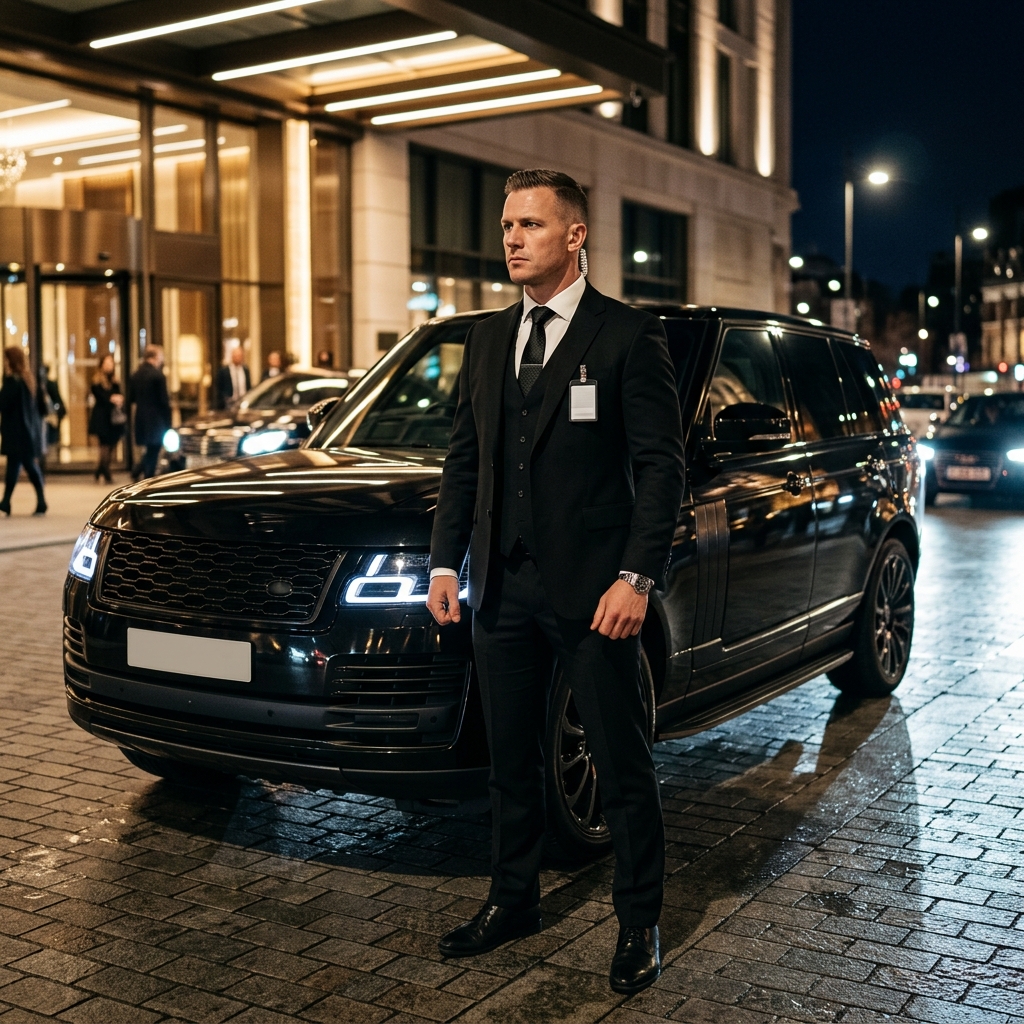
Physical fitness is not just about strength — it is about endurance, agility, and the stamina to remain alert and effective over long event hours. A security guard's physical presence also serves as a deterrent. A well-trained, composed guard in proper uniform commands respect and discourages potential troublemakers from acting out. Teams from professional organizations such as dichvubaove.info maintain high standards of physical fitness and professional appearance as part of their service quality.
8. Teamwork and Coordination
No single security guard can manage a large event crowd alone. Effective crowd management depends on well-coordinated teams with clearly defined roles and responsibilities. This includes designated team leaders, sector assignments, and regular check-ins to ensure coverage across the entire venue. Team members must trust each other, respond quickly to calls for backup, and maintain consistent communication throughout the event.
9. Legal Awareness and Ethical Conduct
Professional event security guards must operate within the boundaries of the law. This means understanding the limits of their authority, knowing when to involve law enforcement, and always treating attendees with respect and dignity. Ethical conduct protects both the public and the security personnel themselves, and it reflects directly on the reputation of the event organizer and the security service provider.
Conclusion
The crowd management skills of professional event security guards are a sophisticated blend of psychology, communication, logistics, and quick decision-making. Events run safely and smoothly not by chance, but because experienced security professionals are quietly managing every detail behind the scenes. When planning your next event, partnering with a reputable security service provider like dichvubaove.info ensures your guests are protected by guards who have mastered these essential skills.